
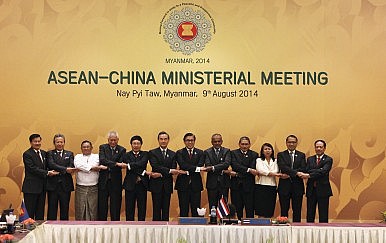
Where does this leave China? As noted above, it is already well on its way to meeting the industrial power to achieve regional hegemony, but it must also pursue closer alignments with its regional neighbors to acquire the allied support it needs to overtake the U.S. as the dominant power in Asia. To do this, China should avoid intimidating regional neighbors, which contributes to bilateral tension, and instead focus on attracting them as potential allies. As demonstrated by the Philippines’ alignment behavior, weaker regional countries are attracted to states that are both powerful and do not pose a perceived threat. China should thus consolidate its position as a regional power by attracting allies through a powerful and benign posture.
This posture, earlier adopted under China’s “peaceful development” maxim, requires jointly developing domestic and foreign policies to contribute to a strong domestic polity that cooperates with other countries in the international system. However, China is lumbered with factors such as nationalism, a factional army, and growing external pressure from the U.S., which hinder it from pursuing peaceful development. Chinese leaders should therefore try be more prudent in developing policies and avoid being swayed too strongly by the overwhelming nationalistic calls at home for a more assertive foreign policy. Appeasing influential domestic interest groups at the expense of foreign policy will not help Beijing achieve its goal of regional hegemony.
More @ The Diplomat

No comments:
Post a Comment